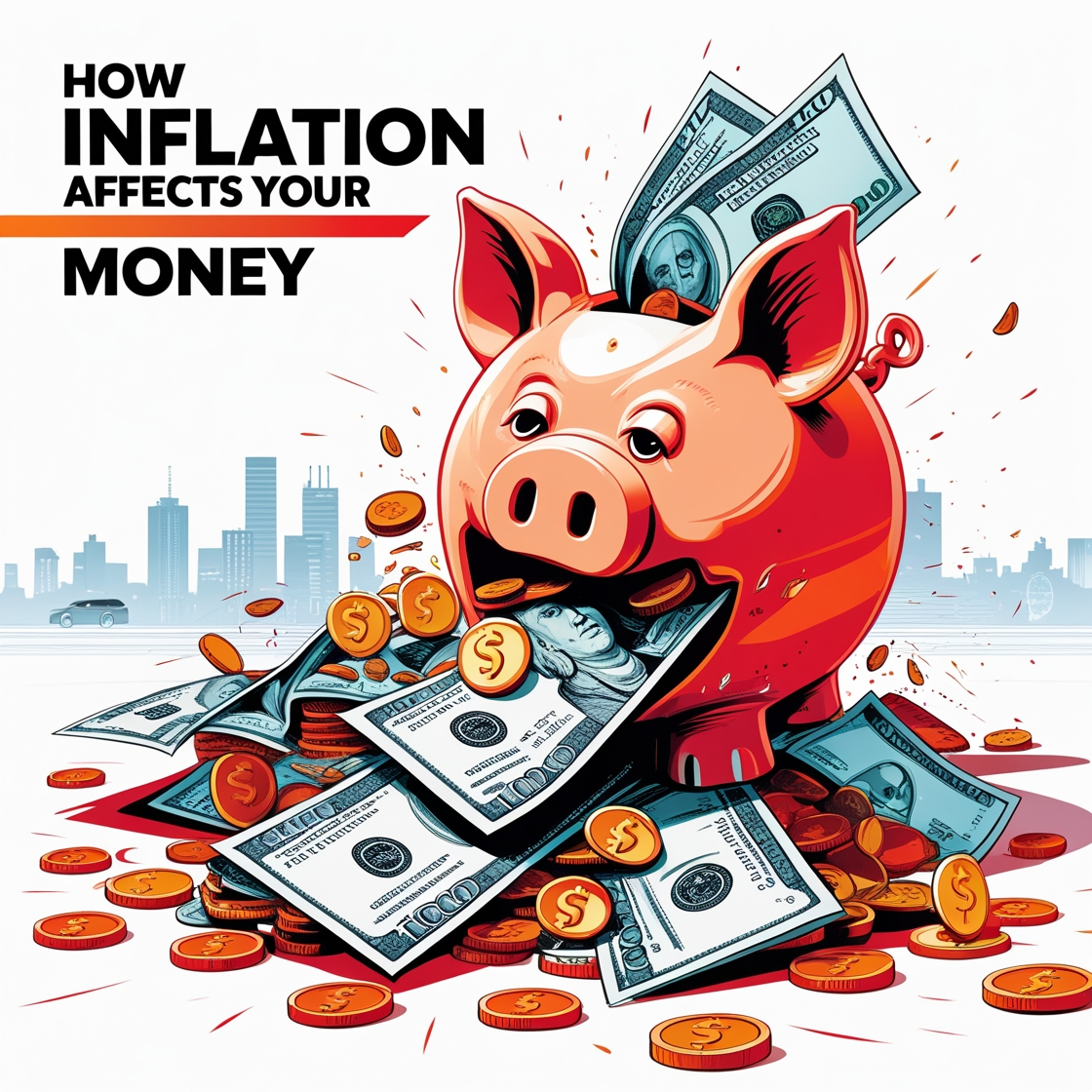
Inflation is a term that often gets mentioned in the news or in economic discussions, but many people do not fully understand its real impact on everyday life. Essentially, inflation refers to the gradual increase in the general price level of goods and services in an economy over time. When inflation occurs, the same amount of money buys fewer goods and services than before. In other words, your money loses value and purchasing power. Understanding inflation is essential because it affects everything from grocery bills to long-term investments, and it can influence how you manage your finances and plan for the future, sometimes in ways you might not immediately notice.
Many factors contribute to inflation. Some of them are external, like rising energy prices or supply chain disruptions, while others are internal, such as increased consumer demand or monetary policy decisions by central banks. Regardless of the cause, inflation impacts your day-to-day life in tangible ways. For example, the price of a cup of coffee, a bus ticket, or a monthly utility bill may increase slightly each year, but over time these increases compound and can significantly reduce the value of your income and savings, not to mention how it can affect small budgets in unexpected ways.
People often notice inflation when they feel their wages aren't keeping pace with the rising costs of goods and services. While a 2–3% annual inflation rate may seem small, over a decade it can erode purchasing power substantially. This is why understanding inflation and taking proactive steps to protect your money is crucial. It's not just about economics on paper; it's about making sure your earnings, savings, and investments maintain their value in real terms, even if it feels like a slow gradual change.
Effects of Inflation on Your Money
1. Reduced Purchasing Power
One of the most immediate and noticeable effects of inflation is the reduction in purchasing power. Simply put, your money doesn’t stretch as far as it used to. For example, if inflation is running at 3% per year, an item that costs USD 100 today will cost approximately USD 103 next year. Over several years, this compounding effect can make everyday expenses significantly higher, forcing households to spend more for the same quantity of goods or services.
Inflation doesn’t just affect big-ticket items; it also impacts routine purchases like groceries, transportation, and healthcare. People often feel this effect most acutely in their monthly budgets. Even small, consistent increases in prices can accumulate and force families to adjust spending habits, sometimes cutting back on discretionary spending or postponing purchases.
In addition, inflation affects people differently depending on their income and consumption patterns. Individuals on fixed incomes, such as retirees, are often hardest hit because their income doesn’t rise with inflation. This disparity can lead to a lower standard of living unless proactive financial measures are taken, such as investing in inflation-protected assets or adjusting budgets regularly. It’s something that many tend to overlook until it’s already affecting them.
2. Impact on Savings
Savings accounts are a common way people try to secure their financial future, but inflation can erode the real value of these savings. If the interest rate on your savings account is lower than the inflation rate, the purchasing power of your money declines over time. For example, if you earn 2% interest but inflation is at 3%, you are effectively losing 1% of your money’s value each year.
This reality means that simply saving money in a traditional bank account may not be enough to preserve wealth. Savvy savers must consider higher-yield options or investments that at least match or exceed the inflation rate. Without these measures, the value of hard-earned money gradually diminishes, making future financial goals, like buying a house or funding retirement, harder to achieve. It's really easy to underestimate how quickly this can happen if you're not paying attention.
Furthermore, inflation can influence consumer behavior. People might be tempted to spend rather than save if they anticipate that money will be worth less in the future. While this can stimulate short-term economic activity, it also emphasizes the need for financial planning and strategies to protect long-term savings. Trust me, this is where many get caught off guard.
3. Impact on Investments
Investments are another area where inflation plays a critical role. The return on investment needs to exceed the rate of inflation to preserve and grow wealth in real terms. For instance, if an investment yields 4% annually but inflation is at 5%, the investor experiences a negative real return of -1%. Over time, this can significantly reduce the real value of the portfolio.
Different types of investments respond to inflation in various ways. Stocks, real estate, and certain commodities have historically outpaced inflation over the long term. Bonds and fixed-income instruments, on the other hand, may lose value in real terms if their yields are lower than the inflation rate. Investors need to understand these dynamics to make informed decisions that maintain purchasing power.
Inflation can also increase market volatility, as unexpected inflationary pressures can lead to sudden adjustments in interest rates or economic policies. This makes diversification and strategic asset allocation even more critical for managing investment risk and safeguarding wealth. Some investors even prefer to include commodities or international investments to balance potential domestic inflation shocks.
4. Wage Growth versus Inflation
Inflation doesn’t just affect prices; it also has a direct impact on income. If wages don’t increase at the same pace as inflation, the real income of workers declines. This means that even if your paycheck grows nominally, you may not be able to buy the same goods and services as before. The gap between wage growth and inflation can reduce living standards over time.
For example, if inflation rises by 4% in a year but your salary only increases by 2%, you lose purchasing power equivalent to 2%. This discrepancy can affect lifestyle choices, financial planning, and overall economic well-being. Employers, policymakers, and workers must be aware of these dynamics to ensure fair compensation and sustainable economic growth.
Moreover, inflation expectations influence negotiations, spending behavior, and saving decisions. People tend to push for higher wages or bonuses if they anticipate inflation, while companies may adjust pricing strategies accordingly. Understanding this relationship is vital for both employees and employers to maintain financial stability. It’s a subtle but important factor many overlook in daily budgeting.
5. Central Bank Responses
Central banks play a pivotal role in controlling inflation through monetary policy. When inflation rises above targeted levels, central banks often increase interest rates to cool down the economy. Higher interest rates make borrowing more expensive for consumers and businesses, which can reduce spending and investment. Conversely, lowering interest rates during periods of low inflation can stimulate economic activity.
These policy tools have far-reaching effects. High-interest rates can slow housing markets, increase mortgage costs, and discourage corporate expansion. While these measures aim to stabilize prices, they can also influence employment, investment decisions, and financial planning. Understanding central bank actions can help individuals make informed choices regarding loans, mortgages, and investments.
It’s important to note that central bank policies are a balancing act. Too aggressive an approach can slow economic growth, while too lenient a response can allow inflation to spiral. Observing and anticipating policy changes is therefore a critical part of managing personal finances in an inflationary environment. Sometimes the timing of these changes can feel unpredictable, which adds to the challenge.
Protecting Your Money from Inflation
1. Invest in Inflation-Protected Assets
To safeguard wealth, investors should consider inflation-protected assets. Treasury Inflation-Protected Securities (TIPS), stocks, and real estate are common options that historically provide returns above inflation. By investing in these assets, you can maintain purchasing power even as prices rise.
Real estate can serve as a hedge against inflation because property values and rental income tend to rise with general price levels. Similarly, equities can provide growth potential that outpaces inflation over time. Choosing the right combination of these assets can help create a resilient portfolio. Some people also include commodities like gold or silver for additional protection, though that comes with its own risks.
Investors should also be mindful of fees and taxes, as these can reduce net returns. Regularly reviewing and adjusting investments ensures that the portfolio continues to meet inflation-protection objectives. Diversification across asset classes and geographic regions can also minimize risk and improve long-term outcomes. It’s easy to underestimate how small fees can erode long-term growth if not monitored.
2. Diversify Your Portfolio
Diversification is a critical strategy for managing inflation risk. Holding a mix of stocks, bonds, real estate, and commodities can help mitigate the impact of inflation on overall wealth. Different asset classes respond differently to inflation, so a balanced portfolio spreads the risk.
For instance, commodities like gold and oil may increase in value during inflationary periods, while certain bonds might lose purchasing power. By diversifying, investors reduce dependency on any single investment or economic trend. This approach not only protects against inflation but also stabilizes returns over time. You might find it surprising how much a tiny allocation to the right assets can improve outcomes.
Maintaining diversification requires regular monitoring and rebalancing to ensure that allocations remain aligned with financial goals. This ongoing process helps investors stay ahead of inflation and market changes without taking unnecessary risks. Some investors also adjust portfolios seasonally or annually, depending on market conditions.
3. Raise Savings Contributions
Inflation reduces the real value of money, so increasing savings contributions can help offset this loss. By saving more and investing wisely, individuals can preserve and grow their wealth despite rising prices. Incremental increases in contributions may seem small, but over time they compound to a significant amount.
Coupling higher savings with investments that outpace inflation is a smart strategy. For example, allocating additional funds to stocks, mutual funds, or real estate can generate higher returns than a standard savings account. This ensures that money retains value and purchasing power over the long term.
Even small adjustments in spending and saving habits can make a notable difference. Awareness and proactive planning are key to staying ahead of inflation and maintaining financial stability. Some people fail to act early enough, which is a common mistake that can cost them significantly later on.
4. Look for Long-Term Investments
Long-term investments are an effective way to counteract the eroding effects of inflation. Historically, stocks and real estate have provided returns above inflation over extended periods. Focusing on long-term growth rather than short-term gains allows money to compound and preserve purchasing power.
Patience is essential. Short-term market fluctuations may be unsettling, but consistent long-term strategies tend to outperform inflation. Investors should adopt a disciplined approach, diversify holdings, and regularly reassess goals to ensure alignment with financial objectives.
Long-term investments also benefit from reinvestment of earnings, whether dividends, rental income, or capital gains. This strategy amplifies growth potential and provides a buffer against inflation, ensuring that money not only retains value but increases in real terms over time. Of course, nothing is guaranteed, but history shows this is a reliable approach for most cases.
Understanding inflation and its wide-ranging impact empowers individuals to make informed financial decisions. By investing wisely, diversifying portfolios, saving strategically, and focusing on long-term growth, you can protect your money from the eroding effects of inflation and maintain financial stability even in challenging economic conditions. Always remember, knowledge and proactive action are your best defenses against inflation.