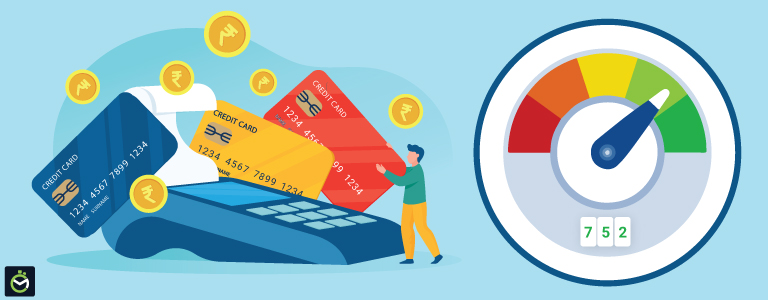
What Is a Credit Score?
Most people think of a credit score as just a number that banks use to decide whether to lend you money, but it’s much more than that. Your credit score is essentially a measure of your financial reputation, condensed into a three-digit number. Lenders, landlords, utility companies, and even some employers use it to gauge your reliability and trustworthiness when it comes to money.
Typically, credit scores range from 300 to 850. Higher scores indicate responsible credit use and timely payments, while lower scores suggest risk. The most common scoring models are FICO and VantageScore, and while each calculates your score slightly differently, they both consider similar financial behaviors like payment history and debt levels.
Think of your score like a financial report card that follows you through life. Unlike a school grade, it can impact real-world opportunities: lower rates on loans, easier approval for apartments, better insurance premiums, and sometimes even job prospects. Understanding your score is the first step toward taking control of your financial future.
The Factors That Shape Your Credit Score
Your credit score is influenced by five main factors: payment history, credit utilization, length of credit history, credit mix, and new credit inquiries. Each factor contributes a different percentage to your overall score, so it’s important to understand what matters most.
Payment history is the largest factor, accounting for about 35% of your score. This includes your record of paying bills on time, defaults, bankruptcies, and any late payments. Even a single missed payment can significantly impact your score, especially if your credit history is short. Credit utilization follows closely at 30%, reflecting how much of your available credit you’re currently using. High utilization suggests higher risk.
The remaining factors include the length of your credit history (15%), which rewards older accounts; credit mix (10%), which benefits those who responsibly manage multiple types of credit; and new credit inquiries (10%), which penalizes frequent applications for new credit. Understanding these factors helps you identify where to focus your efforts to improve your score.
How to Improve Your Credit Score
Improving your credit score isn’t about quick fixes; it’s about developing responsible financial habits over time. Paying all bills on time, even if it’s just the minimum, sends a strong signal to lenders that you’re reliable. Automating payments or setting reminders can help you avoid accidental late payments.
Lowering credit card balances is another key strategy. High balances relative to your limits increase your credit utilization ratio and can lower your score. Aim to keep balances under 30% of your available credit and, if possible, pay them off in full each month. Even small reductions in debt can make a noticeable difference over time.
Regularly checking your credit report is equally important. Errors, such as incorrect account details or outdated information, can hurt your score. Request reports from Equifax, Experian, and TransUnion at least once a year, and dispute any inaccuracies promptly. Monitoring your credit also helps you detect identity theft early.
Maintaining a Healthy Credit Mix
Having a variety of credit types—credit cards, auto loans, mortgages, or student loans—can strengthen your score. It shows lenders that you can responsibly manage different forms of debt. However, avoid opening new accounts just to diversify; only take on credit you actually need.
Responsible management of a mix of credit can gradually improve your score. For instance, a combination of a small personal loan and a credit card, both paid on time, demonstrates your ability to handle revolving and installment credit. This can be particularly helpful for individuals rebuilding credit.
It’s important to maintain existing accounts as well. Older accounts contribute positively to the length of credit history factor. Closing old accounts unnecessarily can shorten your credit history and reduce your score. A well-managed credit mix is all about balance and consistency over time.
Why Good Credit Matters
A good credit score provides more than just lower interest rates. It opens doors in various aspects of life. Landlords often check credit before renting apartments, and a higher score can reduce the amount of deposit required. Similarly, insurance companies may offer lower premiums to individuals with higher credit scores.
Employers in certain industries also use credit reports to evaluate candidates for positions that involve financial responsibility. Having a solid credit history can improve your job prospects, while a poor credit score may limit opportunities in finance-related roles.
Even day-to-day financial interactions benefit from a good score. For example, utility companies and mobile phone providers may waive deposits for customers with strong credit. In essence, maintaining good credit provides financial flexibility, security, and peace of mind.
Protecting Your Credit
Building credit is only part of the story; protecting it is equally critical. Always pay your bills on time, avoid maxing out credit cards, and be cautious when co-signing loans. Any of these actions can help prevent unintentional damage to your score.
Monitoring your credit regularly allows you to catch mistakes or fraudulent activity early. Identity theft can quickly destroy years of good credit, so staying vigilant is essential. Tools such as credit monitoring services or alerts from your bank can help you stay informed.
Avoid “quick fix” credit repair schemes. Many promise fast results but are often scams. Real improvement comes from consistent responsible behavior. Patience and persistence are the true keys to maintaining and protecting your credit over time.
Conclusion
Your credit score is a tool, not a measure of your personal worth. Understanding and managing it allows you to unlock opportunities and save money. Responsible financial behavior, consistent payments, and monitoring your accounts are all steps toward stronger credit.
Improving credit takes time, but even small, consistent efforts make a difference. Start by paying bills on time, reducing balances, and monitoring your credit reports. Over time, these habits compound to create a strong financial reputation.
Ultimately, a good credit score gives you freedom and flexibility. It empowers you to borrow wisely, access better financial products, and navigate life with confidence. Treat your credit score as an ally, and it will serve you well for years to come.